Decoding the Synchronization Processes Between Gaming Software and Instant Funding Mechanisms for On-the-Go Players
Petra Franke · Oct 1, 2026
Decoding the Synchronization Processes Between Gaming Software and Instant Funding Mechanisms for On-the-Go Players
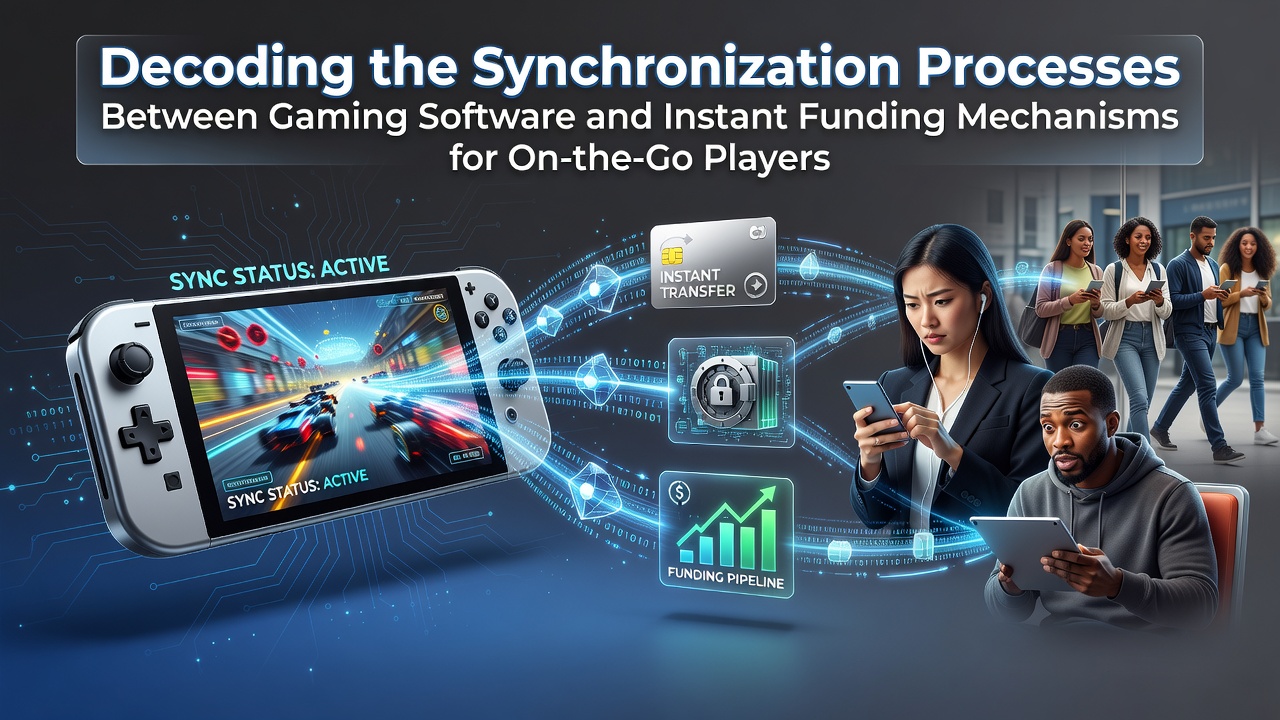
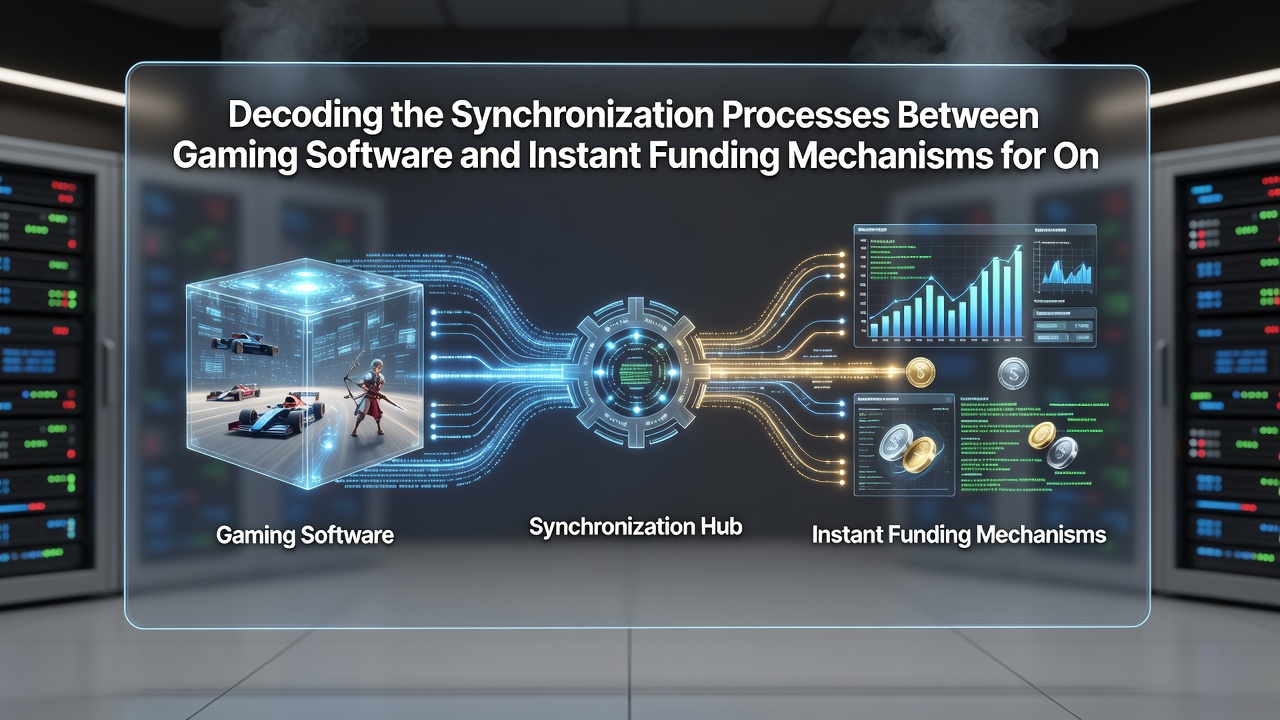
Modern gaming platforms rely on intricate synchronization layers that connect core software engines with instant funding systems, allowing players to maintain seamless access during mobile sessions. These processes handle data exchanges between game clients and payment processors through APIs that update balances in real time, and developers integrate protocols such as WebSocket connections alongside token-based authentication to reduce latency for users switching between networks or devices.
Core Components of Software Integration
Gaming applications maintain separate modules for gameplay logic and financial transactions, yet these components exchange information continuously via secure channels. Researchers have documented how session tokens carry encrypted payloads that verify user status while simultaneously triggering funding requests, and this dual-purpose design prevents desynchronization when players move between Wi-Fi and cellular connections. Data packets flow through middleware layers that translate game events into payment instructions, whereas the reverse path confirms successful transfers before resuming play.
Real-Time Data Flows in Mobile Environments
Instant funding mechanisms operate on event-driven architectures that respond to triggers from the gaming software itself. When a player initiates a deposit during an active round, the system queues a request that the funding service processes in milliseconds, and observers note that timestamp synchronization across servers ensures the updated balance appears without interrupting the session. Studies from institutions tracking digital payment adoption reveal that mobile networks in regions like the European Union and Australia have seen increased deployment of these synchronized systems since regulatory frameworks encouraged faster transaction standards.
Security Protocols Supporting Continuous Access
Encryption standards protect the bidirectional data streams between gaming clients and funding endpoints, with multi-factor checks embedded at each synchronization point. Developers implement certificate pinning to block man-in-the-middle interference, while session resumption protocols allow players to reconnect after brief disconnections without losing transaction state. Reports compiled by international research groups indicate that these layered defenses maintain integrity across high-volume mobile environments, and case examples from North American operators demonstrate reduced error rates when synchronization includes automated reconciliation routines.
Challenges in Cross-Platform Consistency
Different operating systems impose varying constraints on background processes, which affects how funding updates reach the gaming interface. Android environments permit more persistent services for monitoring transaction status, whereas iOS restrictions require developers to rely on push notifications and foreground resumption handlers. Analysts tracking industry metrics have recorded that operators addressing these platform differences through unified SDKs achieve higher completion rates for on-the-go transactions, and evidence from Canadian regulatory reviews shows measurable improvements in user retention when synchronization handles device-specific interruptions gracefully.
Advancements Expected by October 2026
Industry roadmaps point toward broader adoption of edge computing nodes that localize transaction processing closer to mobile users, reducing round-trip times for funding confirmations. Regulatory updates scheduled for implementation around October 2026 in several jurisdictions aim to standardize API response formats across borders, and this shift could further streamline synchronization for international players. Technical documentation from standards bodies outlines how emerging protocols will embed additional metadata for fraud detection directly into each synchronized message, allowing software to validate funding sources without separate verification steps.
Practical Implementation Examples
One documented deployment involved a European operator integrating its slot engine with an instant bank transfer service, where synchronization occurred through a dedicated microservice that monitored both game state and account ledgers. The setup processed thousands of concurrent sessions by maintaining mirrored databases that reconciled every few seconds, and similar architectures appear in Australian mobile platforms that link video game economies with external payment rails. Observers tracking these deployments report that fallback mechanisms activate automatically when primary synchronization paths encounter delays, preserving player access during peak usage periods.
Conclusion
Synchronization between gaming software and instant funding systems continues to evolve through refined API designs, enhanced security layers, and platform-specific optimizations that support uninterrupted mobile play. Data collected across multiple regions demonstrates steady progress in reducing latency and error rates, while upcoming regulatory alignments around October 2026 promise additional consistency for cross-border operations. These technical foundations enable the fluid experiences that on-the-go players rely upon, grounded in the measurable integration patterns already operating at scale.